Osservare il cielo notturno è un’esperienza capace di suscitare emozioni profonde e di farci sentire parte di un universo sconfinato. Tuttavia, chi vive in città o in periferia si trova spesso a dover affrontare ostacoli che rendono questa passione più impegnativa. L’inquinamento luminoso rappresenta la difficoltà principale: le luci artificiali di lampioni, insegne e abitazioni creano un bagliore diffuso che oscura gran parte delle stelle, tanto che oggi la Via Lattea è visibile solo a un terzo dell’umanità e circa l’80% della popolazione mondiale vive sotto cieli inquinati dalla luce artificiale. Questo fenomeno, noto come skyglow, si manifesta soprattutto nelle aree urbane e nelle periferie, dove la luce delle città si somma a quella locale, rendendo il cielo ancora più chiaro e meno trasparente.
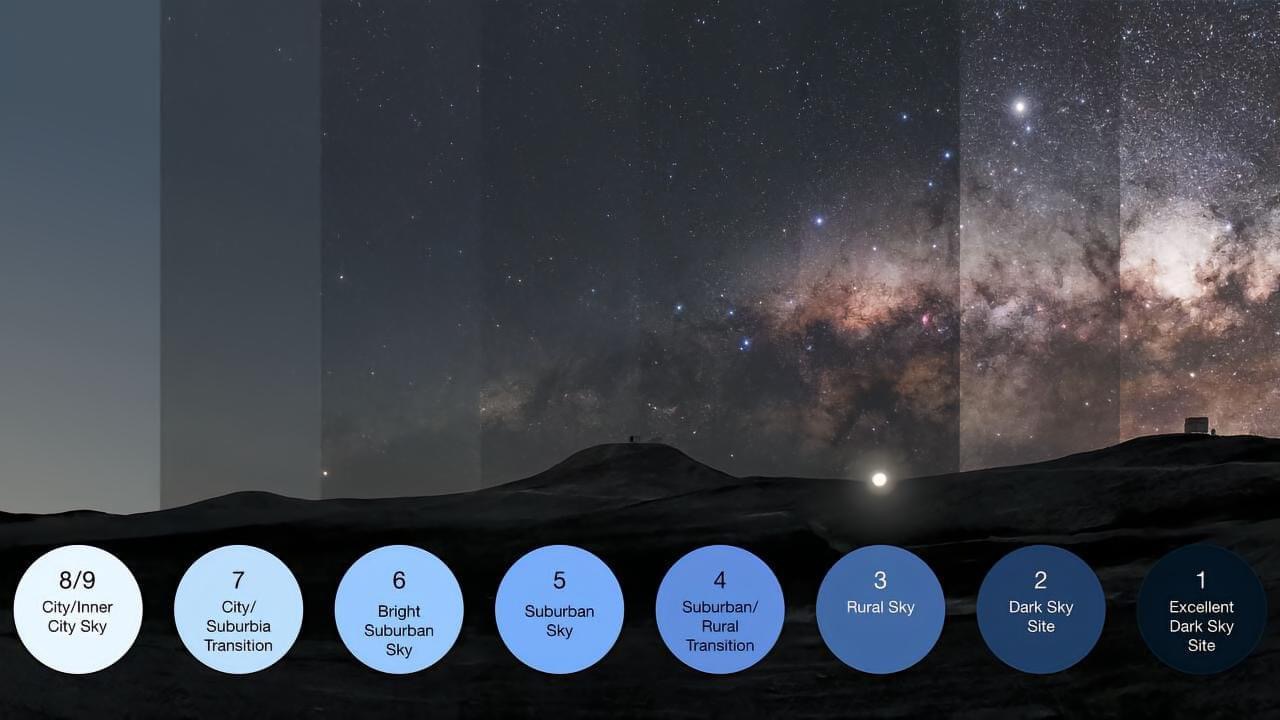
Nonostante ciò, l’osservazione astronomica non è preclusa a chi abita in città: con un po’ di organizzazione e qualche accorgimento, è possibile godere comunque delle meraviglie del cosmo. Le mappe online dedicate all’inquinamento luminoso aiutano a individuare le zone più buie, mentre l’uso di filtri specifici per telescopi può migliorare la visione degli oggetti celesti, attenuando l’impatto della luce artificiale. Scegliere il momento giusto per osservare, come le ore più tarde della notte o i periodi di Luna nuova, può fare una grande differenza, perché molte luci cittadine vengono spente e il cielo si fa più scuro.
La qualità dell’aria gioca anch’essa un ruolo fondamentale: umidità, polveri e turbolenze atmosferiche possono ridurre la nitidezza del cielo. In estate, il caldo favorisce la formazione di foschia, mentre d’inverno l’aria più fredda spesso regala cieli più limpidi e trasparenti. La stabilità dell’atmosfera, chiamata seeing, influisce sulla nitidezza delle immagini, soprattutto quando si usano telescopi ad alto ingrandimento. Consultare siti meteo specializzati, che forniscono informazioni dettagliate su trasparenza e stabilità del cielo, è utile per scegliere le serate migliori per l’osservazione.
Il classico scintillio delle stelle, che le fa apparire tremolanti, è dovuto proprio alle turbolenze atmosferiche. Se a occhio nudo questo effetto può risultare affascinante, per chi cerca dettagli precisi con il telescopio può diventare un problema. Per ridurre questo disturbo, è consigliabile osservare gli astri che si trovano più in alto nel cielo e preferire serate in cui l’atmosfera è particolarmente stabile. Anche la scelta di telescopi di dimensioni adeguate al luogo di osservazione può aiutare a limitare gli effetti delle turbolenze.
Molti appassionati fotografano il cielo con lo smartphone, ma i limiti dei sensori di questi dispositivi spesso impediscono di ottenere immagini soddisfacenti. I sensori sono troppo piccoli per catturare abbastanza luce e i sistemi automatici di elaborazione possono peggiorare la qualità delle foto. Per risultati migliori, si possono utilizzare app che consentono di regolare manualmente parametri come esposizione e ISO, oppure si può optare per fotocamere dedicate o reflex con obiettivi adatti all’astrofotografia.
Per chi utilizza telescopi Newton, è fondamentale prestare attenzione alla collimazione, cioè al corretto allineamento degli specchi, per ottenere immagini nitide. Anche oculari e accessori di bassa qualità possono introdurre difetti visivi, come aloni colorati o sfocature ai bordi dell’immagine. Scegliere strumenti di buona qualità e imparare a utilizzarli correttamente è essenziale per vivere appieno l’esperienza dell’osservazione astronomica.
Nonostante tutte queste difficoltà, osservare l’universo dalla periferia o dalla città può regalare grandi soddisfazioni. Ogni ostacolo superato diventa una tappa di un viaggio personale alla scoperta del cosmo. Con pazienza, esperienza e curiosità, chiunque può migliorare le proprie capacità e lasciarsi sorprendere dalla bellezza del cielo stellato. Basta alzare lo sguardo, prepararsi con attenzione e lasciarsi guidare dalla meraviglia: ogni notte ha una storia unica da raccontare.